Source exterior modification rear aprons for Kitchen, Garden, and Safety
Compare 30 listings for exterior modification rear aprons designed for kitchen, garden, and safety applications. Buyers can evaluate materials, waterproof features, and customization options to find suitable protective gear.
Key considerations
Products List


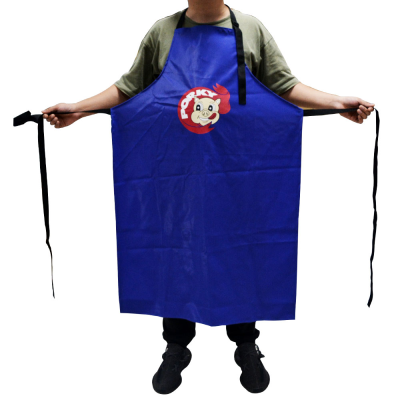


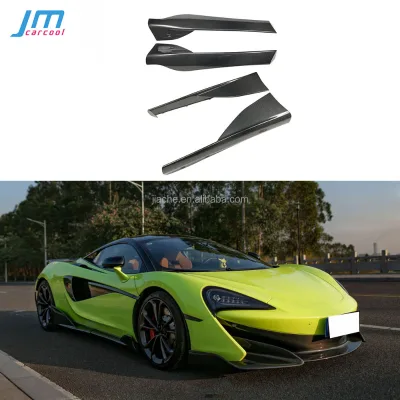

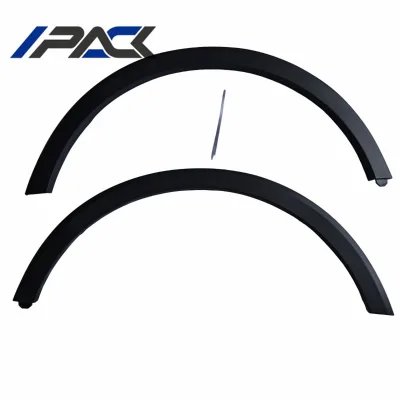


Comprehensive Sourcing Guide
Strategic Sourcing Guide for Exterior Modification Rear Aprons
When approaching the procurement of exterior modification rear aprons, buyers must navigate a complex landscape where terminology, material science, and application-specific requirements intersect. The core keyword "exterior modification rear aprons" often implies automotive or heavy machinery components designed to protect rear sections from debris, weather, and wear. However, a rigorous analysis of available market data reveals a significant divergence in product definitions. The current supply base includes items explicitly categorized as kitchen, garden, and safety protective aprons, alongside specific automotive or industrial modification parts. This guide provides an evidence-based framework for sourcing, ensuring that procurement strategies align with verified product attributes rather than assumed market generalizations.
Understanding Product Definitions and Functional Scope
The first critical step in sourcing is clarifying the functional definition of the requested item. In the current supply ecosystem, the term "apron" encompasses a wide spectrum of goods, ranging from personal protective equipment (PPE) to industrial machinery guards. The observed product data indicates a strong presence of items with functions labeled as "Anti-dirty" and "Waterproof," specifically designed for usage in kitchens, safety and protective environments, advertising, and gardening. These items are typically constructed from materials like cotton or LDPE (Low-Density Polyethylene).
For buyers specifically seeking "exterior modification" components, it is essential to distinguish between protective clothing and structural vehicle or machinery parts. While some listed products feature "Waist" or "Bib" types, these are generally associated with personal wear rather than vehicle body modifications. However, the presence of "Safety & Protective" usage categories suggests that some suppliers may offer heavy-duty protective covers that could be adapted for rear-end protection in industrial settings. Buyers must verify if the "exterior modification" requirement refers to a physical structural add-on or a protective covering. The data shows specific models like AP-7308 and AP-7310, which have defined dimensions such as 37x34 inches or 66.5x74.5 cm, indicating that size customization is a primary variable in this market.
Technical Specifications and Material Analysis
Material selection is the cornerstone of durability and performance for any rear apron application. The supply data highlights two distinct material categories: natural fibers like Cotton and synthetic polymers like LDPE. Cotton-based aprons are often associated with "Plain" or "Printed" patterns and are noted for being "Non-Disposable." These are suitable for environments where breathability and comfort are prioritized, such as in kitchen or garden settings. Conversely, LDPE materials are typically associated with disposable or semi-disposable applications, offering high resistance to moisture and chemicals.
For exterior modification purposes, the waterproof capability is a decisive technical factor. The market data presents a split: some products are explicitly "Waterproof," while others are "Not Waterproof." If the application involves exposure to rain, road salt, or industrial fluids, the "Waterproof" attribute is non-negotiable. Buyers should scrutinize the specific product model, such as AP-7332 or FY-097, to confirm the material composition. The standard dimensions provided, such as 85*70 cm or 58x83 cm, serve as a baseline, but the "Customized According to Requirement" attribute indicates that off-the-shelf sizes may not suffice for specific exterior modification needs. The ability to customize dimensions is a critical technical specification for ensuring a proper fit on rear vehicle or machinery components.
Compliance, Certification, and Safety Standards
Navigating the regulatory landscape is vital for B2B procurement, particularly when the end-use involves safety or public interaction. The observed product data includes references to specific certifications such as SGS, ISO13485, and CE. These certifications are particularly relevant for products intended for food processing, health-related applications, or medical dispensing. For example, the model FY-097 is associated with SGS certification, while other items reference ISO13485 and CE standards.
Buyers must exercise caution when applying these certifications to exterior modification parts. ISO13485 is a standard for medical device quality management systems, and CE is a conformity marking for products sold within the European Economic Area. If the rear apron is intended for use in a food processing facility or a healthcare environment, verifying that the supplier holds valid ISO13485 or SGS certification is mandatory. However, for general automotive or industrial exterior modifications, these specific medical standards may not be directly applicable unless the component is part of a larger safety system. The presence of "Latex-Free" attributes in the data further suggests that allergy safety is a consideration for certain product lines, which buyers should verify against their specific operational requirements.
Cost Drivers and Minimum Order Quantity Dynamics
The pricing and volume dynamics in this sector are highly variable. The observed price range spans from $0.01 to $1,222.15 USD, a disparity that reflects the difference between single-unit protective covers and bulk industrial orders. The Minimum Order Quantity (MOQ) ranges from 1 to 100,000 units, indicating a market that accommodates both small-scale prototyping and large-scale manufacturing contracts.
Several factors drive these costs. First, the customization level significantly impacts price. Products with "Customized" logos or specific dimensions often command higher unit costs due to the setup and tooling required. Second, the material choice is a primary cost driver; LDPE is generally less expensive than treated cotton or specialized waterproof fabrics. Third, packaging requirements influence the final price. The data shows variations between "Carton" packing and "1 PCS/OPP Polybag" packing. Bulk orders often benefit from optimized carton packing to reduce shipping costs, whereas single-unit orders may incur higher per-unit packaging fees. Buyers should note that some suppliers list an MOQ of 500 sets for specific models, while others accept orders as low as 1 unit, providing flexibility for different procurement strategies.
Supplier Evaluation and Geographic Considerations
Evaluating suppliers requires a focus on origin, capacity, and responsiveness. The supply data indicates that products originate from various locations in China, including Zhejiang and Nanchang, Jiangxi Province. Zhejiang is a known hub for textile and general manufacturing, while Nanchang may have specific capabilities in polymer processing. When selecting a supplier, buyers should verify the "OEM&ODM" capabilities. The data explicitly states that OEM and ODM services are welcome, which is crucial for buyers requiring branded or uniquely designed rear aprons.
Furthermore, the "Free Sample" attribute is listed as "Acceptable & Negotiable." This is a critical evaluation point for buyers to assess product quality before committing to large orders. A supplier willing to provide samples demonstrates confidence in their manufacturing process. Buyers should also check the "Quality" attribute, which is generally described as "Good Quality" in the data, but this is a subjective claim. Independent verification through sample testing is necessary to confirm that the "Anti-dirty" and "Waterproof" claims hold true under actual operating conditions.
Quality Control and Long-Term Procurement Strategy
Implementing a robust quality control (QC) protocol is essential for maintaining consistency in exterior modification parts. Given the variation in dimensions and materials, buyers should establish clear acceptance criteria based on the "Standard" specifications provided. For instance, if a specific model requires a carton size of 51x30x25 cm, the QC process must verify that the packaging meets these exact dimensions to ensure efficient logistics.
Long-term procurement considerations should focus on the supply chain's ability to handle customization and scale. The "Customization" attribute is available across many products, suggesting that suppliers can adapt to changing design requirements. However, buyers must confirm the lead times associated with these customizations, as the data does not provide specific lead time figures. Establishing a relationship with suppliers who offer "OEM&ODM" services can facilitate smoother transitions from prototype to mass production. Additionally, the "Disposable" vs. "Non-Disposable" distinction should be factored into the total cost of ownership. While non-disposable aprons may have a higher upfront cost, they often offer better long-term value for durable exterior modifications.
Comparative Analysis of Product Attributes
To assist in decision-making, the following table summarizes the key attributes observed in the current supply base, highlighting the distinctions between different product types.
| Attribute | Category A (Textile/Cotton) | Category B (Polymer/LDPE) | Category C (Custom/Industrial) |
|---|---|---|---|
| Material | Cotton | LDPE | Mixed / Custom |
| Waterproof | Variable (Some Yes, Some No) | Typically Yes | Variable |
| Usage | Kitchen, Garden, Safety | Dispensing, Food Processing | Advertising, Maternity, Safety |
| Pattern | Plain, Printed | Plain | Customized Logo |
| MOQ | 1 - 500 Sets | 1 - 100,000 | Negotiable |
| Certification | SGS, ISO13485 (Specific Models) | CE, ISO13485 | Variable |
| Packaging | Carton, OPP Polybag | OPP Polybag | Custom Carton |
| Origin | Zhejiang, Jiangxi | Zhejiang | China |
This comparison underscores the importance of matching the specific procurement need with the correct product category. For exterior modification applications requiring high durability and water resistance, Category B or C items with verified "Waterproof" attributes and appropriate certifications are likely the most suitable. Buyers must ensure that the "Standard" dimensions and "Customized" options align with their engineering requirements before finalizing any purchase order. By adhering to these evidence-based guidelines, buyers can mitigate risk and secure high-quality rear apron solutions that meet their specific operational demands.
FAQs
What materials are used for exterior modification rear aprons?
Materials include cotton and LDPE depending on the specific model. Cotton options are often non-disposable with plain or printed patterns, while LDPE versions suit dispensing and food processing applications.
Which certifications are available for these apron products?
Available certifications include SGS, ISO13485, and CE for specific models. These standards are particularly relevant for products intended for food processing, health-related applications, or medical dispensing environments.
Can I customize the size and logo of the aprons?
Yes, customization is available for both dimensions and logos. Buyers can request specific sizes like 85*70 cm or 37x34 inches, and suppliers welcome OEM and ODM requests for branded designs.
How does the waterproof feature vary across different models?
Waterproof capability varies by product type and material. Some cotton models are waterproof, while others are not, and LDPE materials typically offer high resistance to moisture and chemicals for industrial use.
What is the minimum order quantity for sourcing these items?
Minimum order quantities range from 1 to 100,000 units depending on the supplier. Some specific models require 500 sets, while others accommodate smaller orders starting at a single unit for prototyping.
Where are the manufacturers of these aprons located?
Manufacturers are located in China, specifically in Zhejiang and Nanchang, Jiangxi Province. Zhejiang is a known hub for textile manufacturing, while Nanchang may have specific capabilities in polymer processing.